The Story
1. Earrings: Like some other kindred tribesmen, the Gangtes held the belief that getting pierced ears (both boys and girls) was a necessary ritual practice rather than a fashion. Elders believed that persons without pierced ears are denied entry to the mithi- khuo (a place where afterlife is believed to happen) by Kullou Nu (a goddess who performs judgement among the dead). Persons without pierced ears were considered invalid. As such, all members of the tribe ineluctably had their ears pierced at the standard lobe. (1) Bil-kam (ear plug): The practice of putting ear plugs in was common in olden days. The ear plug was a totem of beauty and status.
2. Chaucha/Hak (Bracelet): Bracelets made of lead and bronze were common costumes of olden days women.
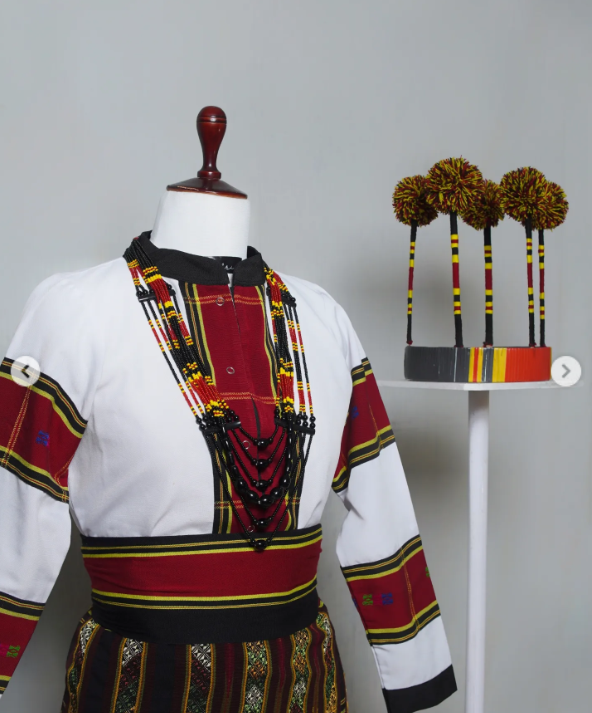
3. Khi (Necklace): Different types of necklace were worn by women in olden days. Importantly, the price of a bride could not be settled without khichang/khivui (string of beads). Beaded necklaces were considered an indispensable costume as well as priceless assets. The value of necklaces that contained 'Keimeichang' is considered to have higher value. and,
4. Sakhau (Bags) [Noksiek Gangte (85) of New Lambulane, Imphal East) Men usually put a bag made of cotton down the shoulder. Kawngvawh is a small basket tied around the waist both by men and women. The basket is a prerequisite material for seed sowing time. The seeds are taken into the field in the handy basket and as they keep moving their pace. One hand in the basket and another digging the earth with a small spade (Tucha). Women used Seng (larger version of Kawngvawh) to carry essential items while venturing out to the field or jungle. Firewoods, paddy and essential items like vegetables in the field and even water in bamboo pipes are carried by women using Seng. Nam is a piece of string woven from fine bamboo fabric used as yoke and attached with Seng. and,
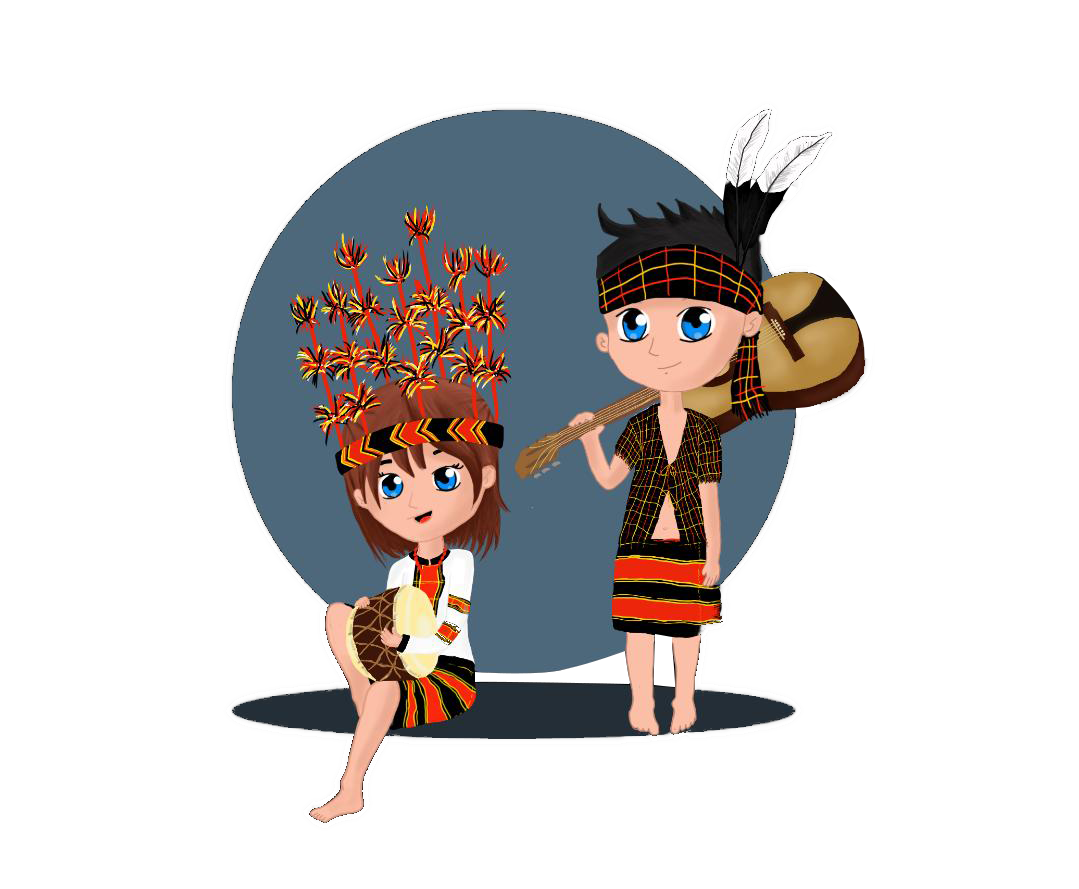
5. Tukpak: Tukpak is a significant traditional handcrafted embellishment used to adorn or tucked on a person's head to mark victorious feats and legendary deeds. The tukpak is made with three branches. A yarn is tied over and again onto the base to stiffen the branch like a stem. The upward end is loosened and opened up and the loose threads together form a flower-like ornamentation. Traditional tribe colours are mainly used to make this unique piece of traditional adornment.